As consumer health brands compete for visibility within pharmaceutical retail and e-commerce environments, retail media has evolved well beyond its origins as a trade marketing extension to become a high-intent strategic channel. It occupies a rare position in the customer journey, one where awareness and conversion coexist, and where purchase decisions are made within an environment already validated by trust in healthcare.
In the United Kingdom, pharmaceutical retail is concentrated among major chains with advanced digital infrastructure, capable of operating as genuine media ecosystems. This creates a direct opportunity for OTC, wellness, and consumer health brands to reach audiences who are ready to purchase, yet this opportunity remains underutilised by many brands.
Retail media
Traditionally, healthcare media has been divided between brand-building channels and performance channels. Retail media disrupts this logic by operating precisely at the point of decision, drawing on real purchase behaviour signals. These platforms enable campaign activation based on data such as browsing patterns, search behaviour, and purchase history within the retail environment itself, reducing dependence on intent proxies and bringing media closer to actual, rather than estimated, consumer behaviour.
At the same time, this type of activation demands a more considered approach in the healthcare context. Signals must be used in an aggregated and contextual manner, avoiding any inference about individual health conditions or exposure of sensitive data.
The role within the health journey
Unlike many other categories, the consumer health purchasing journey tends to be more considered, more informed, and frequently driven by an immediate need. Retail media is positioned at precisely the moment when that need translates into action.
In practice, it serves as a bridge between active consideration – searching for a solution or category – and the purchase decision itself. This makes it particularly effective for categories such as symptom relief, vitamins, preventive care, and general wellness, where the interval between intent and purchase tends to be short.
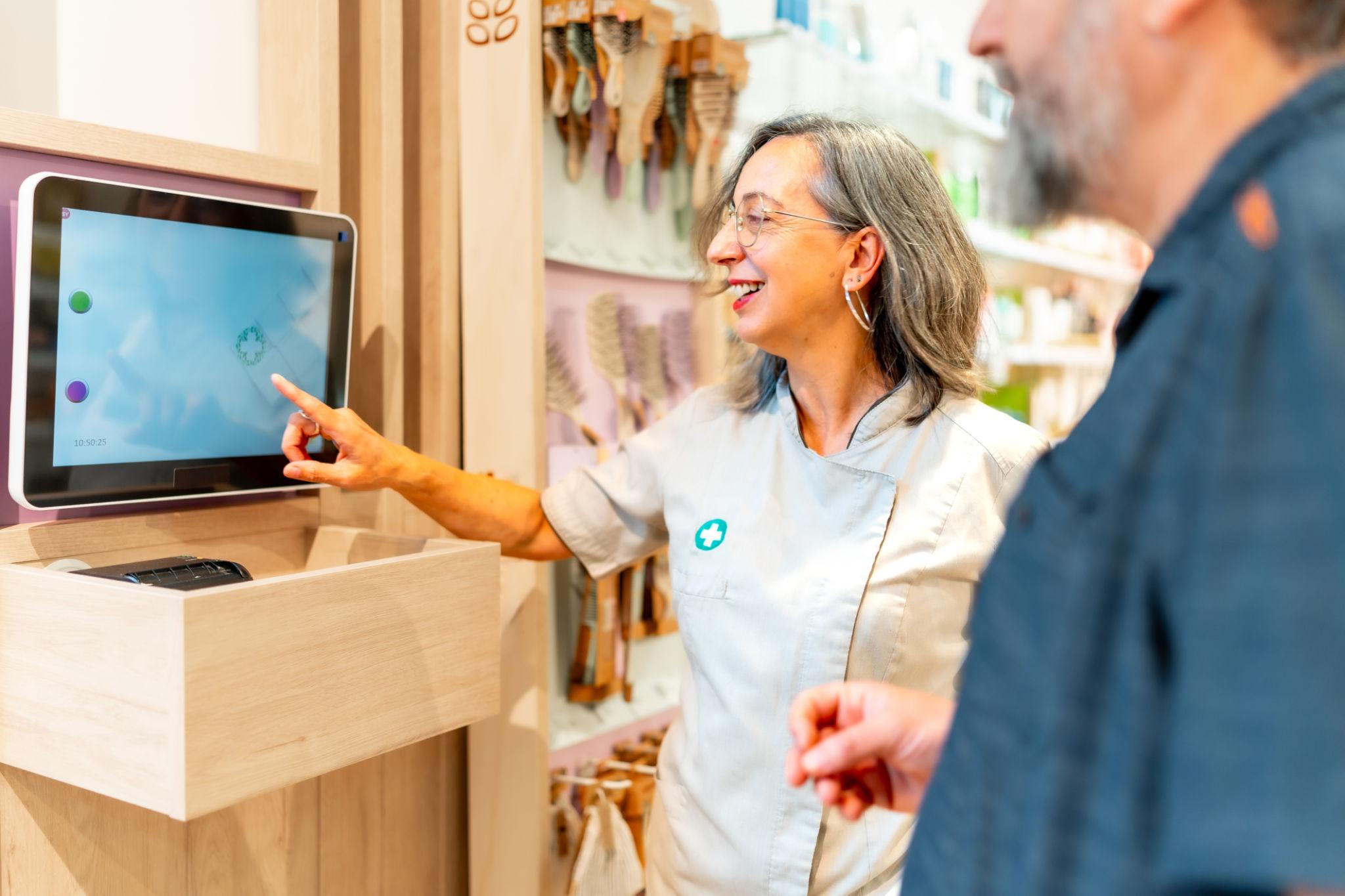
Recent developments in pharmaceutical retail also reflect a clear ambition to reposition these environments as a first point of contact in healthcare, not merely as a point of sale, further reinforcing the strategic importance of the channel.
Integration with omnichannel strategy
Despite its considerable strengths, retail media should not operate in isolation. Its role is to capture demand, not to generate it independently. When integrated into a broader omnichannel strategy, it functions as the conversion layer within a larger system, where awareness media builds interest and recognition; educational content supports purchase consideration; and retail media captures intent at the moment of decision.
Furthermore, the insights generated within the retail environment, such as growing categories or emerging search patterns, can feed back into the broader strategy, informing messaging, segmentation, and media planning across other channels.
Segmentation and data
One of the principal advantages of retail media lies in the quality of its data. Unlike open digital environments, it operates on first-party data grounded in real purchase behaviour. This enables segmentation that is closely aligned with genuine intent, including category interest, search behaviour, and recurring purchase patterns.
In healthcare, however, these capabilities must be deployed with care. Activation should prioritise context and aggregation, avoiding any inference regarding individual health conditions. When applied appropriately, this approach achieves a meaningful balance between relevance and compliance.
Measurement
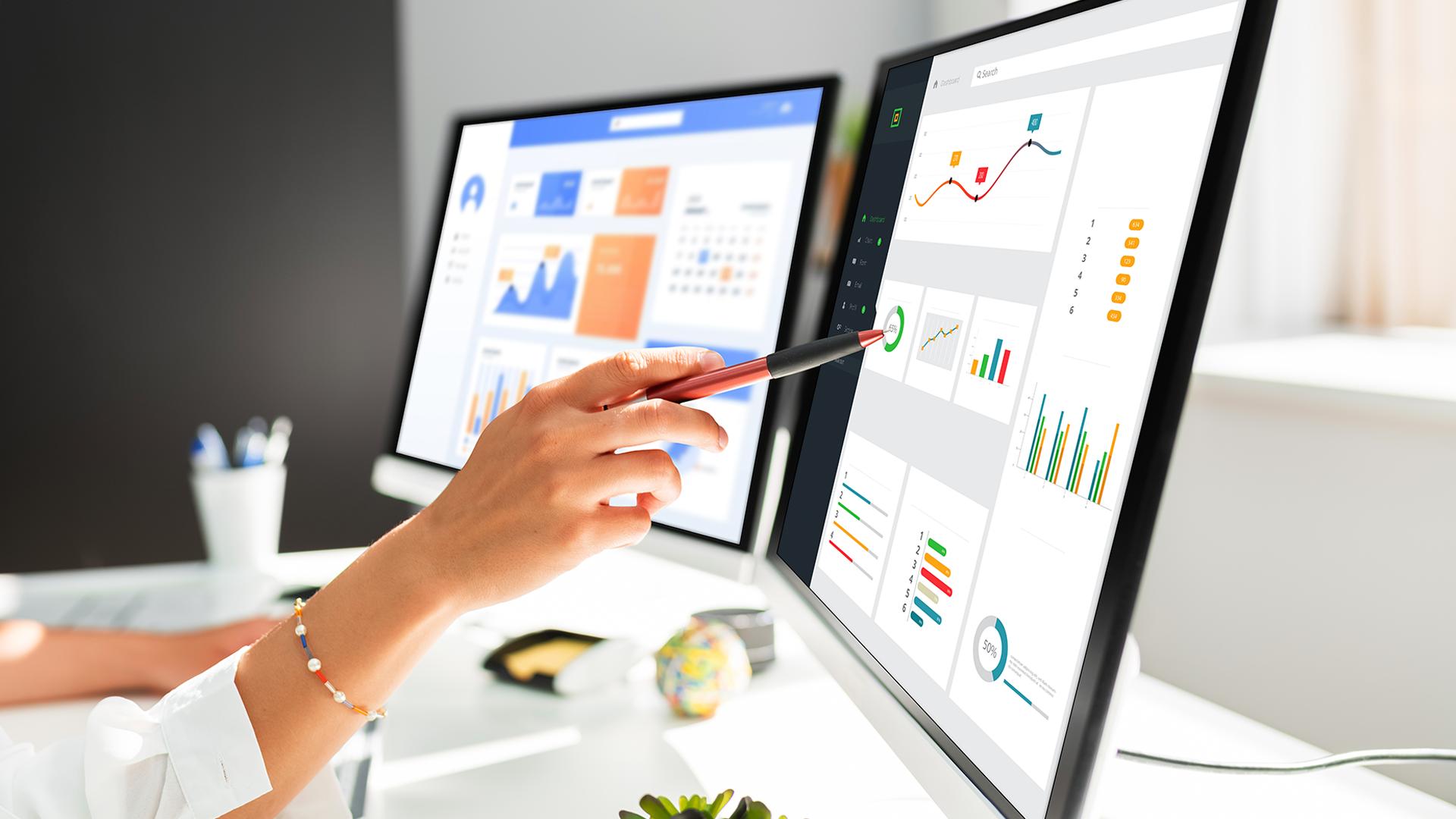
Retail media also redefines how performance is measured. Rather than relying solely on metrics such as clicks or impressions, it provides access to signals that are meaningfully closer to commercial outcomes, including basket data, conversion within the retail environment, category share, and post-exposure behaviour.
Not all consumer health brands, however, engage with retail media in the same way. For FMCG and OTC brands, the focus tends to be on direct conversion and category share gain. For more regulated brands or those with a B2B dimension, the role may differ, supporting education, awareness, or directing audiences to appropriate channels, without necessarily pursuing immediate conversion.
When is retail media most effective?
Retail media tends to deliver the greatest efficiency when embedded within a broader performance strategy, rather than operating as a standalone channel. It is at its most powerful when demand within the category is already established; when media activity is supporting the customer journey at other touchpoints; or when the brand seeks to capture intent at a decisive moment.
It is worth stating clearly: retail media represents a structural shift in how consumer health brands connect with their audiences. It brings media closer to real behaviour, shortens the distance to conversion, and places communication within an environment characterised by high levels of trust.
Its value, however, lies not in the technology or the data alone, it lies in how effectively it is integrated into the overall strategy.